Laser Periodontal Therapy in Arvada, Colorado
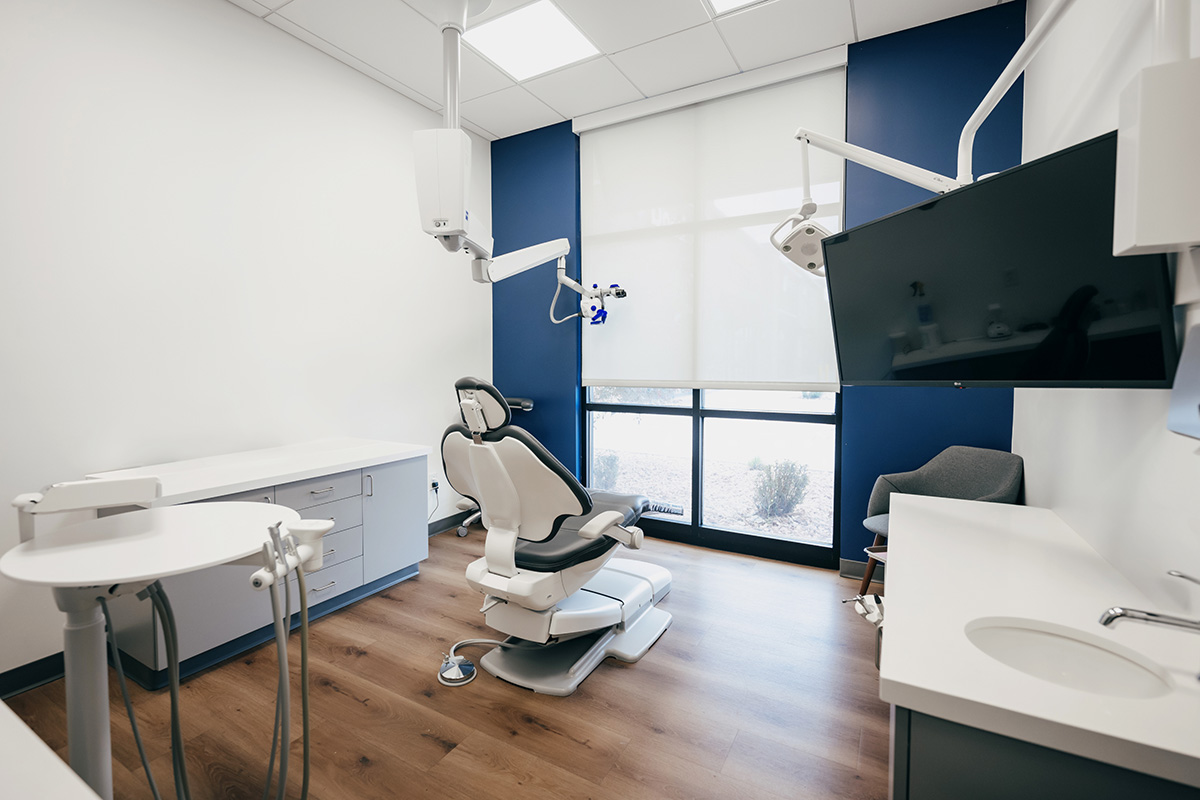
When bacteria colonize deep below your gumline, your toothbrush can't reach them no matter how diligently you scrub. These hardened deposits trigger an immune response that affects the very bone supporting your teeth. A traditional gum surgery addresses that problem by cutting away tissue, cleaning the infection, and stitching everything back together. However, despite its effectiveness, many people feel anxiety or have reservations about procedures like this.
At AVOS Dental Specialists in Arvada, laser periodontal therapy takes a different approach to achieve the same results: precisely targeting diseased tissue while preserving healthy structures, eliminating infection without scalpels, and stimulating your body's natural ability to rebuild what gum disease destroyed.
If you're facing the prospect of traditional gum surgery, there's a better way. Continue reading to discover how laser therapy can save your gums without the pain, cutting, or lengthy recovery of conventional surgery.
Quick Takeaways
- Precision targeting: Laser wavelengths distinguish between diseased and healthy tissue at the cellular level, allowing for incredibly selective treatment that preserves your healthy gums
- Faster recovery: Most people return to normal activities within days versus weeks with traditional surgery, thanks to the minimally invasive nature of laser treatment
- Natural regeneration: Laser energy stimulates new bone formation and periodontal ligament reattachment, helping your mouth rebuild what disease destroyed
- Minimal discomfort: No scalpel cuts or sutures required; over-the-counter pain relief typically sufficient since there's no surgical trauma to heal from
- Insurance coverage: Most plans cover laser therapy equivalent to traditional periodontal surgery, making this advanced treatment accessible
How Laser Periodontal Therapy Works
Laser periodontal therapy uses focused light wavelengths that target hemoglobin in infected tissue while healthy pink gums reflect the laser energy away. This cellular-level precision allows us to eliminate diseased areas without damaging the good tissue surrounding them.
The laser energy serves dual purposes: it vaporizes harmful bacteria lurking in deep periodontal pockets while simultaneously stimulating your body's healing mechanisms. This controlled tissue interaction promotes the formation of new periodontal ligament fibers, cementum, and supporting bone around tooth roots.
Rather than simply removing infection, we're helping your mouth rebuild the structures that gum disease destroyed.
Laser Treatment vs. Traditional Gum Surgery
The differences between these approaches affect every aspect of your treatment experience:
- Tissue removal: Laser selectively targets disease while traditional surgery removes both healthy and diseased tissue, often requiring removal of significant amounts of gum tissue to access infected areas
- Incisions required: Laser therapy needs no scalpel cuts while surgery involves tissue incisions and flap creation, which must then heal as open wounds
- Sutures needed: Laser treatment eliminates stitches entirely while surgery requires multiple sutures that can be uncomfortable and require removal appointments
- Recovery timeline: Laser therapy allows people to return to work within days while surgery requires weeks of healing time and activity restrictions
- Post-treatment pain: Laser produces minimal discomfort manageable with over-the-counter medication while surgery often needs prescription pain medication for several days
- Bleeding during treatment: Laser energy seals blood vessels as it works while surgery involves significant bleeding that must be controlled throughout the procedure
- Infection risk: Laser sterilizes treatment areas continuously while open surgical sites carry higher infection potential during the extended healing period
However, traditional surgery remains necessary for cases requiring extensive bone grafting or when laser therapy alone cannot address severe structural damage. We'll determine the most appropriate approach based on your specific condition.
Benefits for Severe Periodontitis
Laser periodontal therapy offers unique advantages when treating advanced gum disease. The laser energy penetrates deep into periodontal pockets, destroying bacteria in areas traditional instruments cannot reach while simultaneously breaking down stubborn bacterial colonies that resist conventional cleaning methods.
The controlled laser energy promotes osteoblast activity, encouraging new bone formation around tooth roots and successful reattachment of periodontal ligaments, which reduces mobility in loose teeth. This process creates shallower, more maintainable periodontal pockets through healthy tissue reattachment while maintaining existing healthy attachment and eliminating disease.
Unlike traditional approaches that focus primarily on removing diseased tissue, laser therapy actively stimulates your body's natural regenerative processes, helping restore the structural support your teeth need for long-term stability.
Recovery Timeline and Aftercare
Recovery from laser periodontal therapy progresses much faster than traditional surgery:
First 24 Hours
- Minimal discomfort: Most people manage any sensitivity with over-the-counter medication like ibuprofen or acetaminophen, as there's no surgical trauma to cause significant pain
- Soft diet recommended: Avoid hard, crunchy foods that might irritate treated areas, but you can typically eat most comfortable foods without restriction
- Gentle oral care: Use warm salt water rinses as directed to promote healing and maintain cleanliness without disrupting the treatment sites
- Normal activities: Most people return to work and regular routines immediately, though strenuous exercise should be avoided for the first day
First Week
- Improved comfort: Any initial sensitivity typically resolves within days as the laser-treated areas heal rapidly without open wounds
- Diet expansion: Return to normal foods as comfort allows, usually within 2-3 days when any initial tenderness subsides
- Modified brushing: Gentle cleaning around treated areas with a soft-bristled toothbrush, gradually returning to normal brushing pressure
- Healing signs: Reduced bleeding and inflammation become apparent as healthy tissue begins reattaching to tooth surfaces
Long-term Healing
- Tissue reattachment: Gums begin reattaching to tooth surfaces within weeks as new periodontal ligament fibers form and strengthen
- Continued improvement: Maximum benefits develop over several months as bone regeneration continues and tissue architecture stabilizes
- Maintenance schedule: Regular periodontal cleanings monitor progress and maintain the health achieved through laser therapy
Special Considerations for Diabetic Patients
People with diabetes particularly benefit from laser periodontal therapy due to the bidirectional relationship between diabetes and gum disease. The laser approach offers enhanced healing through stimulated blood flow and cellular regeneration, compensating for diabetes-related healing delays while eliminating bacteria that could complicate diabetic wound healing.
Successful periodontal treatment often improves blood sugar control, creating a positive cycle where better gum health supports better diabetes management. The minimally invasive treatment reduces stress on compromised immune systems, and the shorter healing time reduces complications associated with diabetes.
Our doctors will coordinate closely with diabetic people's physicians to optimize treatment outcomes and ensure comprehensive care, adjusting treatment protocols as needed based on individual diabetes management and overall health status.
Your Treatment Process
Your laser periodontal therapy follows a systematic approach:
- Comprehensive evaluation: Digital imaging and precise measurements determine your specific treatment parameters, including pocket depths and bone loss assessment
- Personalized planning: Our specialist will develop your customized laser therapy protocol based on disease severity and your individual healing characteristics
- Laser therapy sessions: Treatment appointments tailored to your specific needs and treatment extent, typically completed efficiently in one or two visits
- Immediate recovery: Return to normal activities within days with minimal disruption to your daily routine
- Progress monitoring: Follow-up appointments track tissue reattachment and healing, ensuring optimal results are achieved
- Maintenance protocol: Regular periodontal cleanings maintain long-term success and prevent disease recurrence
Investment and Insurance Coverage
Laser periodontal therapy represents a significant investment in your oral health. Treatment costs vary depending on disease severity and treatment complexity, with most dental insurance plans covering laser periodontal therapy equivalent to traditional periodontal surgery, typically a substantial portion after deductibles.
PPO plans usually cover laser therapy as medically necessary periodontal treatment, while HMO plans may require referral from your primary dentist but generally provide coverage. Medical insurance sometimes covers periodontal therapy when linked to systemic conditions like diabetes, and laser periodontal therapy qualifies as an eligible medical expense for FSA/HSA accounts.
At AVOS Dental Specialists in Arvada, our goal is for you to get the care you need. We offer CareCredit financing and in-house payment plans to make treatment accessible. Our insurance specialists verify and make your benefits clear before treatment and help maximize your coverage, ensuring you understand your investment upfront.
Frequently Asked Questions
How painful is laser periodontal therapy compared to traditional surgery?
Laser periodontal therapy causes significantly less discomfort than traditional gum surgery. Most people describe the sensation as mild warmth or slight pressure during treatment. Since there are no incisions or sutures, post-treatment pain is minimal and typically managed with over-the-counter pain relievers. Traditional surgery often requires prescription pain medication for several days.
Will my insurance cover laser periodontal treatment?
Most dental insurance plans cover laser periodontal therapy at the same rate as traditional periodontal surgery, typically covering a substantial portion after your deductible. We verify your benefits before treatment and work with you to maximize your coverage. The treatment qualifies as medically necessary periodontal care, not cosmetic treatment.
How long does laser periodontal therapy take?
Treatment time varies based on the extent of your gum disease, but most laser periodontal therapy can be completed in one to two appointments. Each session typically lasts 1-2 hours, depending on how many areas require treatment. This is often faster than traditional surgery, which may require multiple appointments and longer healing periods between treatments.
Can laser therapy save teeth that are loose from gum disease?
Laser periodontal therapy can often stabilize loose teeth by eliminating infection and promoting reattachment of periodontal ligaments. The laser stimulates bone regeneration around tooth roots, which can reduce mobility over time. However, success depends on how much bone support remains and the overall health of the tooth structure.
What makes AVOS Dental Specialists different for laser periodontal therapy?
Our specialists are board-certified in periodontics with specialized training in Fotona laser protocols. Our multi-specialty practice allows for comprehensive treatment planning when you need multiple procedures. We use the latest FDA-approved laser technology and maintain ongoing education in advanced techniques to ensure you receive the most effective treatment available.
How soon can I return to work after laser periodontal therapy?
Most people return to work the same day or the next day after laser periodontal therapy. Since there are no incisions or sutures, recovery is much faster than traditional surgery. You may experience mild sensitivity for a day or two, but this rarely interferes with normal activities or work responsibilities.
Ready to Save Your Gums? We're Here to Help
Facing gum disease can feel overwhelming, especially when you're told you need surgery. At AVOS Dental Specialists, we understand your concerns about pain, recovery time, and treatment success. That's why we've invested in the most advanced laser periodontal therapy available, to give you a better option that works with your lifestyle and finances, not against them.
You don't have to live with bleeding gums, bad breath, or the fear of losing your teeth. Our gentle, effective laser treatment can eliminate infection, reduce pocket depths, and help your gums reattach naturally, all while you stay comfortable throughout the process.
Don't let gum disease progress any further. Contact our office in Arvada, Colorado, to schedule your consultation. Discover how laser periodontal therapy can restore your gum health with minimal discomfort and maximum results. Your smile, and your confidence, deserve this advanced care.
Contact us
Call 720.798.1200 or request an appointment online to set up your first visit. We’ll be in touch soon.